
在新加坡注册公司到底有多快?ACRA比客户的午餐还快(2026年真实案例)

Ray Tay
ACRA大多在付款后即批准注册(名称15新元+注册300新元,通常当天完成)。真正拖慢创始人的是未决定的事项:财年、股权、注册地址、银行KYC文件。
Published: 25 March 2025 · Last reviewed: 11 August 2026 · Reviewed by Ray Tay, Co-Founder & Managing Director, VIVOS PTE. LTD. (ACRA Filing Agent FA20240323 · MOM EA Licence 24S2425)


 2 January, 2025
 2 January, 2025
What is the best way to determine the value of my business during an M&A?
The best way to determine your company’s value depends on your industry, business size, and growth trajectory. Common methods include EBITDA, revenue multiples, and discounted cash flow (DCF) analysis. Each of these methods provides a different perspective on your company’s worth and helps in making an informed decision.
How do I identify the right buyer for my business?
It’s essential to understand the buyer’s motivations before negotiating. Strategic buyers may be interested in market expansion or synergies with your business, while financial buyers often focus on profitability and scalability. Tailoring your pitch to their specific goals can improve your chances of a successful sale.
Should I hire a professional negotiator when selling my business?
Yes, it is highly recommended to work with M&A specialists, legal advisors, and financial experts. They can guide you through the complexities of the sale, ensure all terms are in your favor, and help avoid common pitfalls during the negotiation process.
What are the key risks in M&A negotiations?
Common risks include overestimating your company’s value, being too rigid on deal terms, or failing to properly vet potential buyers. To mitigate these risks, it’s crucial to engage experts who can navigate the negotiation process on your behalf.
How long does the M&A process take?
The M&A process can vary widely depending on the complexity of the deal, the type of buyer, and the due diligence process. Typically, negotiations can take several months, and it’s important to remain patient and flexible as discussions progress.
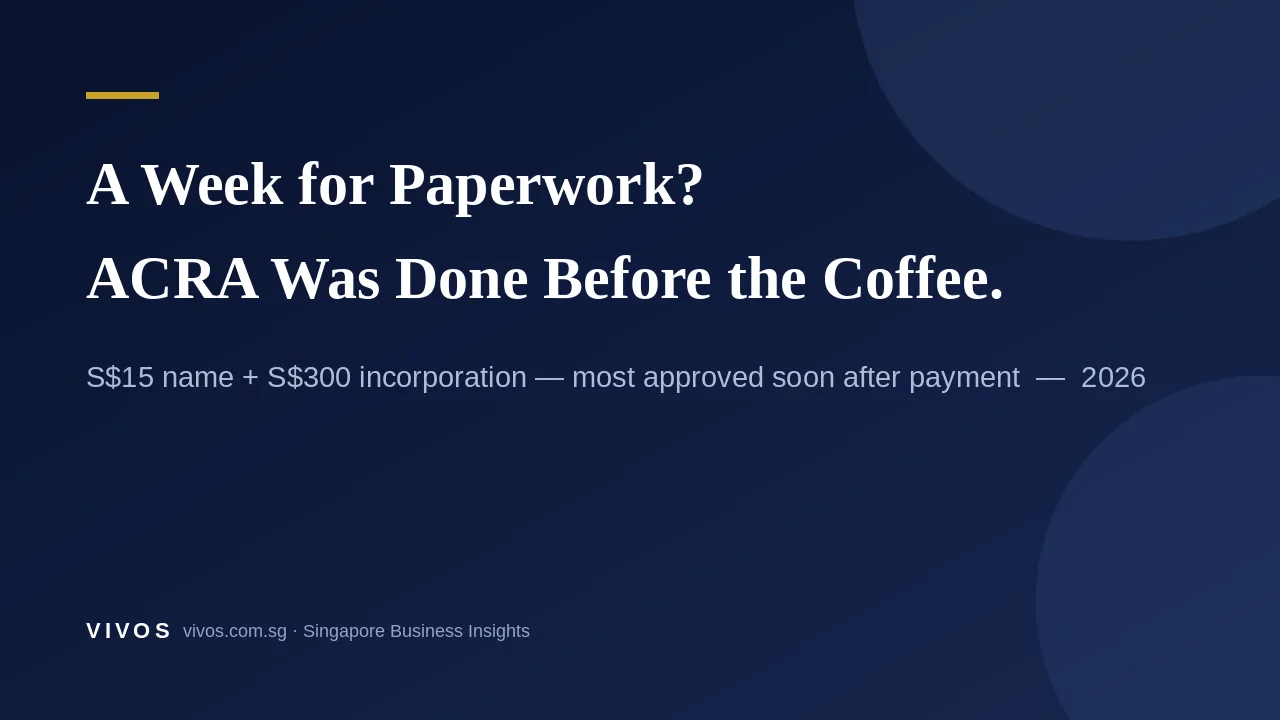
ACRA大多在付款后即批准注册(名称15新元+注册300新元,通常当天完成)。真正拖慢创始人的是未决定的事项:财年、股权、注册地址、银行KYC文件。
ACRA approves most Singapore incorporations soon after payment (S$15 name + S$300). A true client story on what really slows founders down — and the…

了解新加坡公司注册费用:官方 315 新元起、首年第三方费用可明显上升,逐项报价与合规建议帮您控预算并加速开户,含处理时效与开户风险说明。